
Tooth-Colored Fillings in Grand Island, NE
Natural-looking fillings that repair cavities and protect your teeth.
A cavity, worn filling, or minor tooth damage can affect your comfort and make it harder to chew normally. Downtown Dental provides tooth fillings Grand Island NE patients can use to restore damaged tooth structure while maintaining a natural-looking smile.
Dr. Melissa Schuldt offers tooth-colored composite fillings for children, teens, and adults at our downtown Grand Island dental office. Born and raised in Grand Island, Dr. Schuldt provides personalized care in a modern setting with support from a bilingual dental team.
To request an evaluation for a suspected cavity or damaged filling, call Downtown Dental at (308) 382-8205.
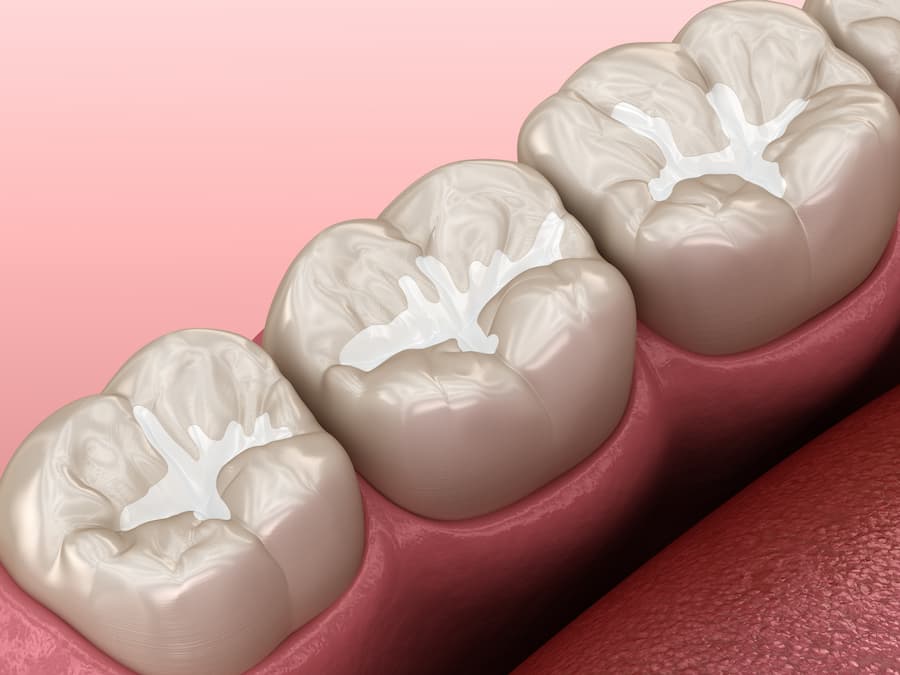
What Are Dental Fillings?
A dental filling is a direct restoration used to repair a tooth affected by decay or minor damage. During treatment, the decayed or weakened portion of the tooth is removed, and the resulting space is restored with filling material.
At Downtown Dental, we use tooth-colored composite resin for many restorations. These composite dental fillings Grand Island NE patients receive are selected to coordinate with the surrounding tooth structure and restore the tooth’s shape and function.
A filling may help:
- Repair a small to moderate cavity
- Restore an area of minor tooth damage
- Replace a loose, worn, or broken filling
- Reduce places where food and bacteria can collect
- Preserve healthy tooth structure when clinically appropriate
The right treatment depends on the size and location of the damaged area, the condition of the remaining tooth, and your bite. Dr. Schuldt will examine the tooth before determining whether a filling or another restoration is appropriate.
Signs You May Need a Tooth Filling
Cavities do not always cause noticeable symptoms in their early stages. Regular dental exams and cleanings allow the dental team to look for decay, damaged restorations, and other oral health concerns before they become more extensive.
You may need an evaluation for cavity fillings in Grand Island if you notice:
- Sensitivity to hot, cold, or sweet foods
- Pain or pressure when biting
- A visible dark spot or small hole
- A rough, chipped, or weakened area
- Food repeatedly becoming trapped around a tooth
- A filling that feels loose, sharp, or uneven
- Floss catching or tearing near an existing restoration
Tooth pain can have several causes, so symptoms alone cannot confirm that you need a filling. An examination and, when appropriate, dental X-rays help determine the extent of decay and the most suitable treatment.
Benefits of Tooth-Colored Composite Fillings
Composite resin is a versatile restorative material that can be used on many front and back teeth. It is placed directly into the prepared tooth and hardened in stages.
Potential benefits include:
- A shade selected to coordinate with nearby teeth
- Direct bonding to prepared tooth structure
- Restoration of the tooth’s natural shape
- Use for many small to moderate areas of decay
- Treatment that can often be completed in one appointment
- A metal-free restorative option
Composite fillings are not appropriate for every cavity. Larger areas of damage, heavy bite forces, limited remaining tooth structure, or difficulty keeping the treatment area dry may affect the recommended material or restoration.
Composite Fillings Compared with Silver Amalgam Fillings
Composite and amalgam are different restorative materials. Composite resin is tooth-colored, while amalgam has a silver appearance. The best material for a particular tooth depends on several clinical factors, including:
- The size of the restoration
- The tooth’s location
- The amount of healthy structure remaining
- The forces placed on the tooth
- Moisture control during treatment
- The condition of the surrounding teeth and gums
Composite fillings can provide an appearance that coordinates more closely with natural enamel. However, no filling material is permanent, and every restoration may eventually wear, chip, leak, or require replacement.
Evaluating Older Amalgam Fillings
Patients searching for amalgam removal in Grand Island may be concerned about an older silver filling or may prefer to discuss a tooth-colored replacement. An existing amalgam filling does not automatically need to be removed solely because of its age or appearance.
Dr. Schuldt may recommend monitoring, repairing, or replacing an older filling when an examination identifies concerns such as:
- A crack in the filling or tooth
- Recurrent decay around the restoration
- A loose or broken filling
- Significant wear
- Pain or sensitivity associated with the tooth
- Insufficient support from the remaining tooth structure
Removing a restoration also requires removing or reshaping some tooth structure. The potential benefits, limitations, and alternatives should therefore be considered before treatment.
What to Expect During a Dental Filling Appointment
The exact procedure varies according to the tooth and the extent of the damage, but a typical filling appointment includes the following steps.
1. Examination and Diagnosis
Dr. Schuldt examines the tooth and reviews any necessary diagnostic images. This helps determine whether the tooth can be restored with a filling or requires another form of care.
2. Local Anesthetic
Local anesthetic may be used to numb the treatment area and support your comfort. Patients experience dental procedures differently, so the team encourages you to communicate any sensitivity or anxiety.
3. Removal of Decay
The decayed or weakened portion of the tooth is carefully removed. The area is then cleaned and prepared for the composite material.
4. Composite Placement
The tooth-colored resin is placed in stages and hardened with a curing light. Dr. Schuldt shapes the material to restore the tooth’s contours.
5. Bite Check and Polishing
The filling is polished, and your bite is checked. Small adjustments may be made so the restored tooth fits comfortably with the teeth above or below it.
How Long Does a Tooth Filling Take?
Many straightforward Grand Island tooth fillings can be completed during one office visit. Appointment length varies based on:
- The number of teeth being treated
- The size and depth of each cavity
- The location of the affected tooth
- Whether an existing restoration must be removed
- The patient’s comfort needs
- The complexity of rebuilding the tooth
Your mouth may remain numb for several hours after local anesthetic. Avoid chewing on the numb area until normal sensation returns. Mild temperature or pressure sensitivity can occur after treatment and often improves, but persistent pain or an uneven bite should be reported to the office.
What Affects the Cost of Tooth Fillings in Grand Island?
The cost of a filling cannot be determined accurately without examining the tooth. Factors that may affect the fee include:
- The number of fillings needed
- The size and location of the cavity
- Whether an old restoration must be replaced
- The amount of tooth structure requiring repair
- Necessary diagnostic imaging
- Dental insurance benefits
- Whether additional treatment is required
Downtown Dental can review estimated costs and available payment arrangements before treatment. Patients without dental insurance may also review the practice’s Downtown Dental membership options, which are designed to help eligible members manage dental care expenses.
Who Is a Good Candidate for a Composite Filling?
A composite filling may be appropriate when a patient has:
- A small to moderate cavity
- A minor chip or worn area
- A damaged or failing existing filling
- Enough healthy tooth structure to support a direct restoration
- A tooth that can be kept suitably dry during placement
- A preference for a tooth-colored filling material
Children, teens, and adults may be candidates. A clinical examination is necessary because the same symptom can result from decay, a fracture, gum recession, bite-related stress, or another condition.
When Might a Filling Not Be the Right Treatment?
A filling may not provide adequate support when a tooth has extensive decay, a large fracture, or significant structural loss.
Depending on the diagnosis, Dr. Schuldt may discuss:
- Dental crowns in Grand Island for teeth that need broader coverage
- Root canal treatment when inflammation or infection affects the dental pulp
- Tooth extraction when a tooth cannot be predictably restored
- Monitoring when an area does not yet require restorative treatment
The recommendation will reflect the condition of the tooth, your oral health, and the expected benefits and limitations of each option.
Dental Filling vs. Dental Crown
A filling replaces a limited area of damaged tooth structure. It is generally considered when enough healthy enamel and dentin remain to support a direct restoration.
A crown covers more of the visible tooth. It may be considered when the tooth has:
- A large cavity
- A substantial fracture
- A very large existing filling
- Significant weakening
- Insufficient structure for a predictable filling
- Previous treatment that increases the need for coverage
Patients researching dental crowns Grand Island NE should understand that a crown is not automatically better than a filling. The appropriate restoration depends on how much support the tooth needs.
Other Cosmetic and Restorative Alternatives
Fillings are intended to repair decay or localized tooth damage. They are not interchangeable with every cosmetic treatment.
For example, patients searching for veneers Grand Island NE may be interested in changing the appearance of otherwise suitable front teeth. Porcelain veneers are not a substitute for treating active decay and require a separate cosmetic evaluation.
Likewise, patients considering teeth whitening Grand Island NE should know that whitening products change the shade of natural enamel but do not lighten existing composite fillings, crowns, or veneers. Cosmetic treatment planning may involve coordinating the shade of restorations with the desired tooth color.
Risks and Limitations of Composite Fillings
Composite fillings are commonly used, but patients should understand their limitations. Possible considerations include:
- Temporary sensitivity after treatment
- The need for a bite adjustment
- Chipping, staining, or wear over time
- Recurrent decay around the restoration
- Future repair or replacement
- A shorter service life in some large or high-stress areas
- A need for a crown or root canal if damage is more extensive than expected
How long a filling lasts varies according to its size, location, bite forces, oral hygiene, diet, tooth-grinding habits, and regular dental care. No specific lifespan can be guaranteed.
Why Choose Downtown Dental in Grand Island?
Downtown Dental Grand Island is led by Dr. Melissa Schuldt, a Grand Island native who provides care for her hometown community. The office welcomes patients of different ages and offers bilingual assistance for Spanish-speaking families.
Patients receiving restorative care can expect:
- Individualized treatment recommendations
- Clear explanations of available options
- Care for children, teens, and adults
- Support for patients who experience dental anxiety
- A modern office environment
- Massage chairs and ceiling-mounted televisions
- Bilingual assistance: Se habla Español
You can learn more about the people supporting your care on the Downtown Dental team page.
Serving Grand Island and Surrounding Nebraska Communities
The Downtown Dental office is located at 604 West 3rd Street in Grand Island, Nebraska. From this central location, the practice serves individuals and families throughout Grand Island and welcomes patients traveling from nearby communities.
Our regional service area includes:
- Aurora, NE
- Central City, NE
- Hastings, NE
- Kearney, NE
- Alda, NE
- Wood River, NE
- Doniphan, NE
- Cairo, NE
- Chapman, NE
- St. Libory, NE
Aurora and Central City are nearby communities with access to Grand Island, while Hastings and Kearney are larger regional communities located farther from the office. Downtown Dental does not represent that it has offices in these cities; all treatment described on this page is provided at the Grand Island location.
Schedule a Tooth Filling Evaluation in Grand Island
Do not ignore ongoing sensitivity, pain when chewing, a broken filling, or signs of a possible cavity. An examination can identify the cause and determine whether a composite filling or another treatment is appropriate.
To arrange a visit, contact Downtown Dental in Grand Island or call (308) 382-8205.
Downtown Dental
604 West 3rd Street
Grand Island, NE 68801
The practice’s phone number and Grand Island address are confirmed on its contact page.
Frequently Asked Questions
How do I know whether I need a tooth filling?
Sensitivity, pain when biting, visible discoloration, a small hole, or a damaged restoration may indicate that a tooth needs attention. However, cavities can develop without obvious symptoms. Dr. Schuldt must examine the tooth and may recommend dental X-rays to determine whether a filling or another treatment is appropriate.
How much do tooth fillings cost in Grand Island, NE?
The cost depends on the number of teeth treated, the size and location of the cavities, whether existing fillings must be removed, and your insurance benefits. Downtown Dental can provide an individualized estimate after an examination and explain relevant payment or membership options before treatment begins.
Is it necessary to replace an old amalgam filling?
Not every amalgam filling requires replacement. Dr. Schuldt may recommend monitoring an intact restoration or replacing one that is cracked, loose, worn, associated with decay, or causing symptoms. Cosmetic preferences can also be discussed, but the benefits and limitations of removing a functioning restoration should be considered.
How long does a composite dental filling appointment take?
Many straightforward fillings are completed in one visit. The total time varies according to the number of teeth involved, the size and location of the decay, whether an older filling must be removed, and the complexity of restoring the tooth. The team can provide a more specific expectation after evaluation.
When is a dental crown better than a filling?
A crown may be more appropriate when extensive decay, a large fracture, or a substantial existing restoration has weakened the tooth. A filling may be suitable when enough healthy tooth structure remains. Dr. Schuldt will compare the options after examining the tooth and evaluating its long-term restorative needs.
Restore Your Tooth with Personalized Care
For tooth fillings Grand Island NE patients can receive in a local, patient-focused setting, contact Downtown Dental. Dr. Melissa Schuldt will evaluate the tooth, explain the available treatment options, and help you make an informed decision about your care.
Call (308) 382-8205 to schedule an appointment at 604 West 3rd Street in Grand Island, NE.